Artist-in-residence in Genk
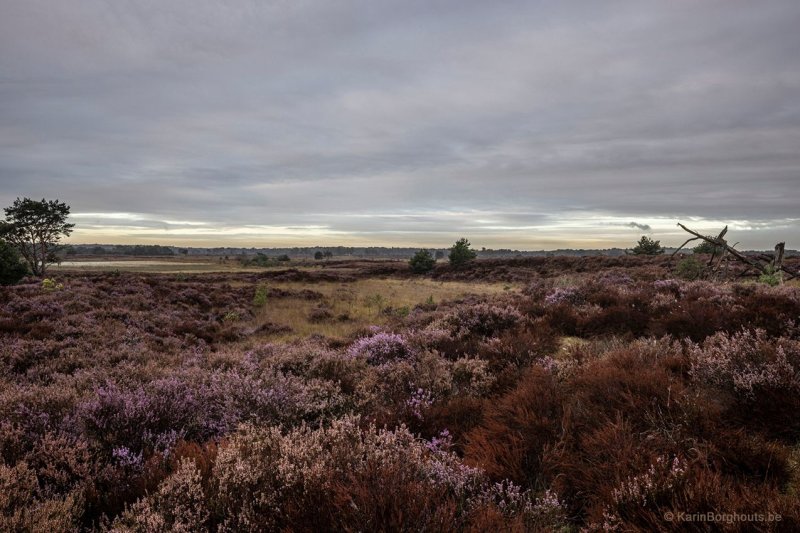
In the 19th century, Genk — at that time still spelled Genck — was a vast Campine (Kempisch) farming village in Belgium. Several hamlets, scattered amidst wide-open landscapes, soggy marshlands, countless reflective ponds and expansive heathlands, were surrounding the small village centre.
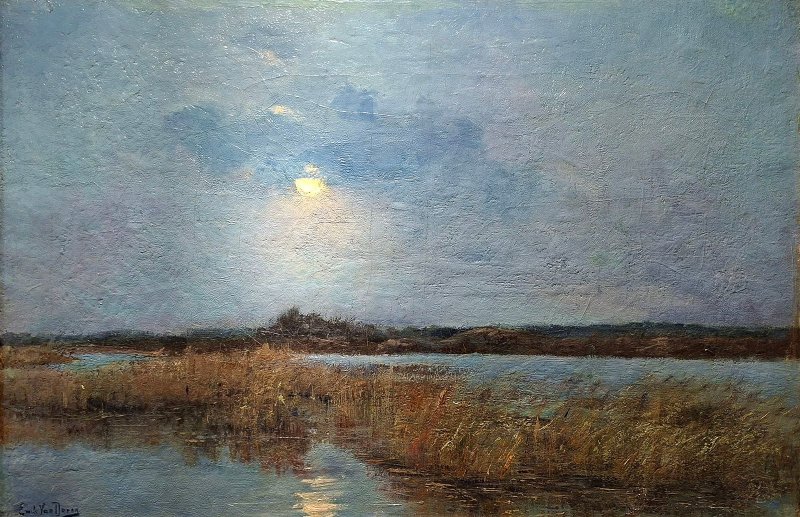
Between 1840 and 1940, hundreds of landscape painters visited this Campine village. They transformed Genk into an artists' village
par excellence. Consequently, in 2016, Genk was admitted into
euroArt, the European network of historic artists' colonies.
The unique history of Genk as an artists' haven stands central into the mission of the Emile Van Dorenmuseum. Alongside the life and work of Emile Van Doren, the museum researches, collects, preserves, and presents the connection between visual artists and the Genk landscape, spanning the period from 1840 to 1940 ànd today...
It is in this context that I was invited as an artist-in-residence at the
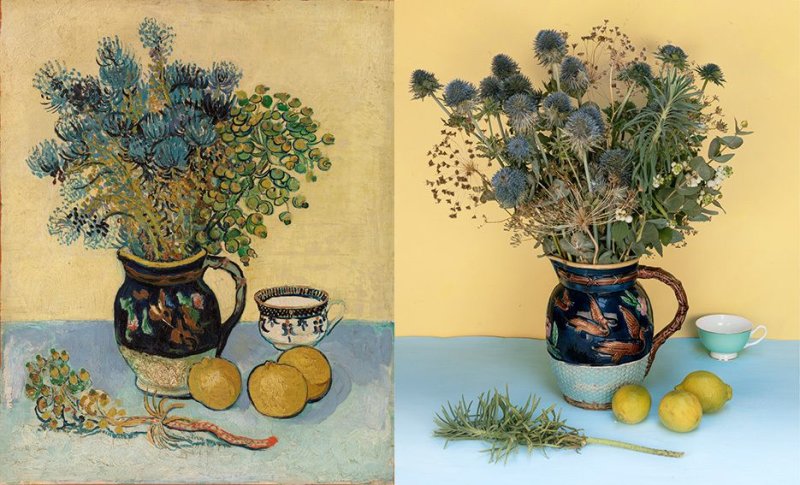
Emile Van Dorenmuseum. The coming year, I will regularly stay and work there. Through my photography, I examine how the contemporary landscape relates to the past, and how photography and painting can converge.
An exhibition featuring paintings from the 1840–1920 period is on display until 17 January 2027 at both the
Emile Van Dorenmuseum in Genk and the
Jakob Smitsmuseum in Mol. The artists' colonies of Genk, Kalmthout, Mol, and Wechelderzande are represented.